


LOOKING FOR A
BETTER POSITION?
YOUR HEALTH & WELLBEING
DEPEND ON IT.
With the emergence of portable technology, we now have an unprecedented range of freedom to choose where, when and how we work. But as technology becomes more portable, our interaction with it becomes less ergonomic and our bodies must continue to remain in compromised positions for extended periods of time. In effect, we continue to adapt our bodies to technology rather than requiring technology to adapt to us.
WE BELIEVE BETTER ERGONOMIC DESIGN SHOULD REVERSE THIS RELATIONSHIP.
At Stroman Design, we create movement-oriented ergonomic solutions that are designed to adapt technology to the body - not the body to technology.
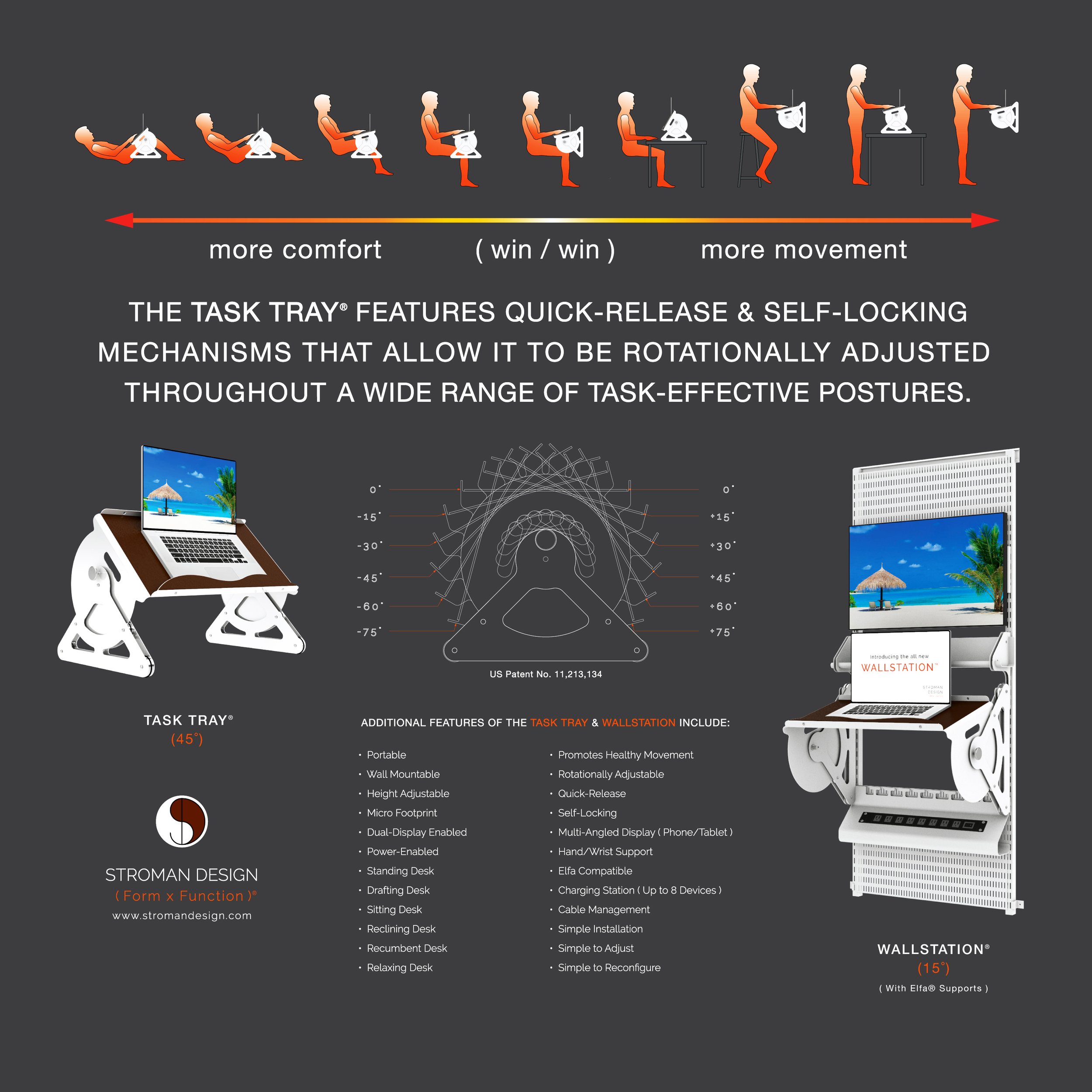
That means creating adaptable ergonomic products that move with us and support an unprecedented range of comfortable, task-effective sitting, standing, reclining, recumbent, and relaxed postures - rather than prescribing a single "correct" working position.
Despite what has been described as “ergonomic” in the past, the healthiest option isn't necessarily one position - it's the ability to move between them.
By allowing technology and work surfaces to continually reposition around the user, our designs encourage movement, postural variation, and greater freedom throughout the day - without requiring users to sacrifice their comfort or productivity.
MEET THE TASK TRAY
& WALLSTATION
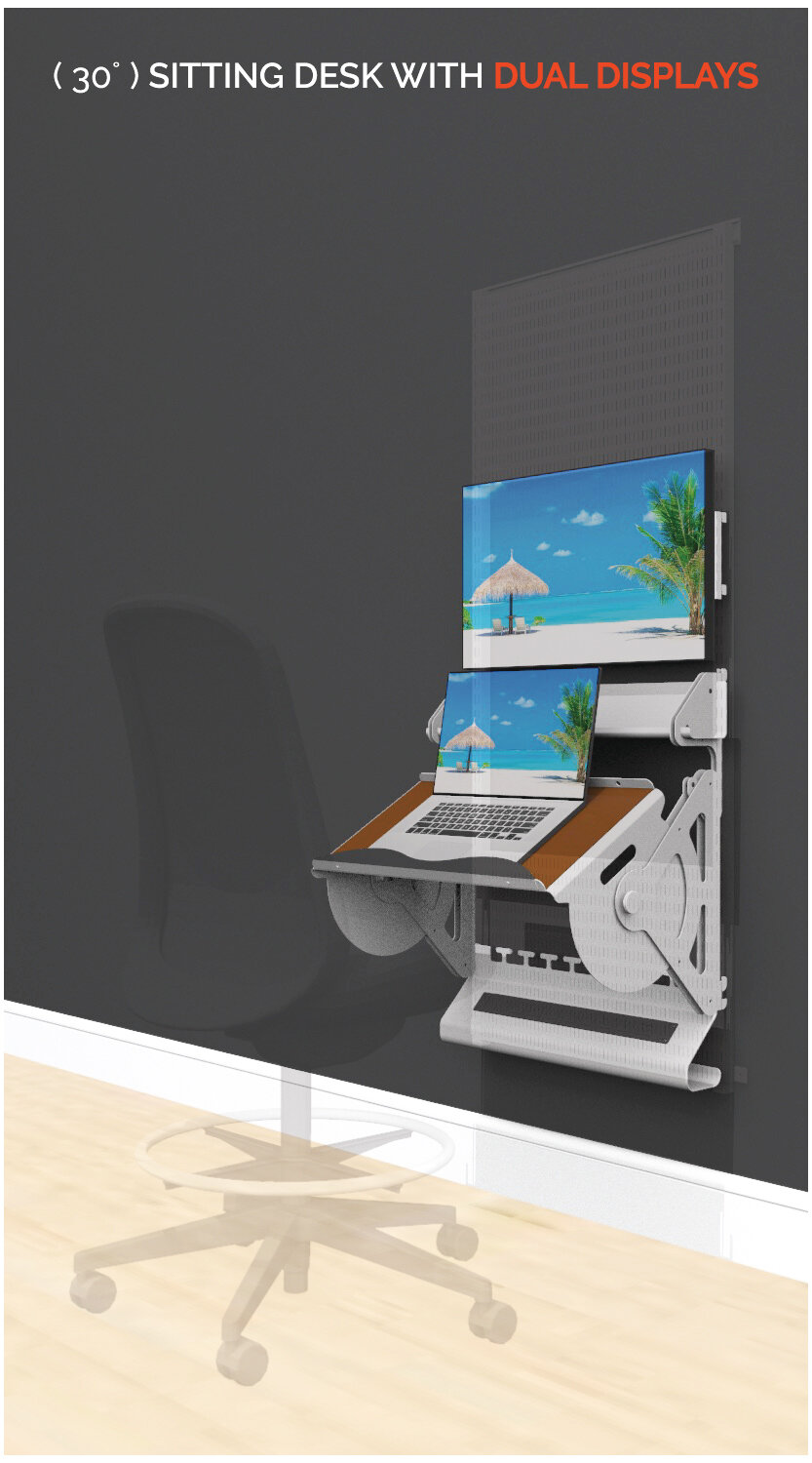
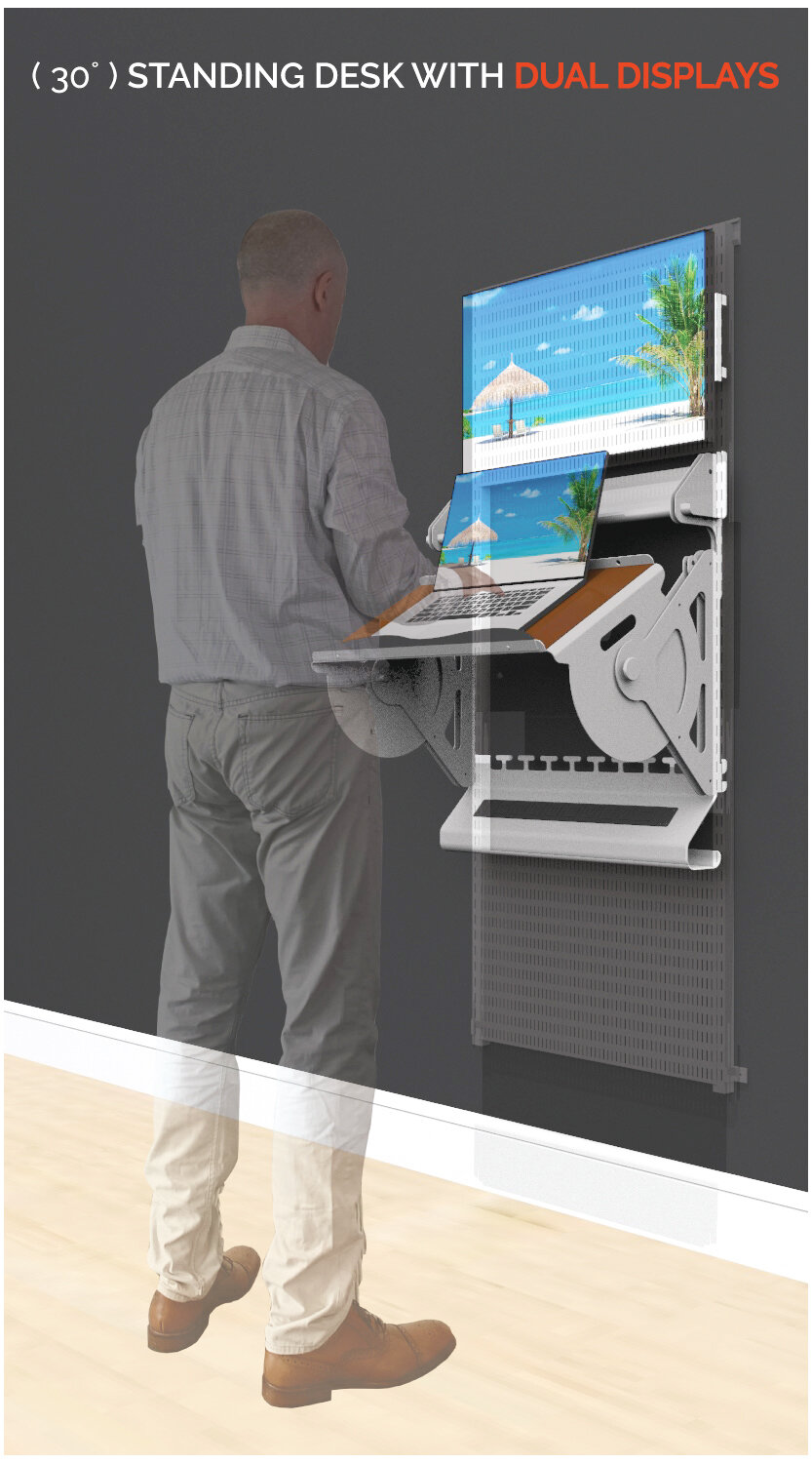
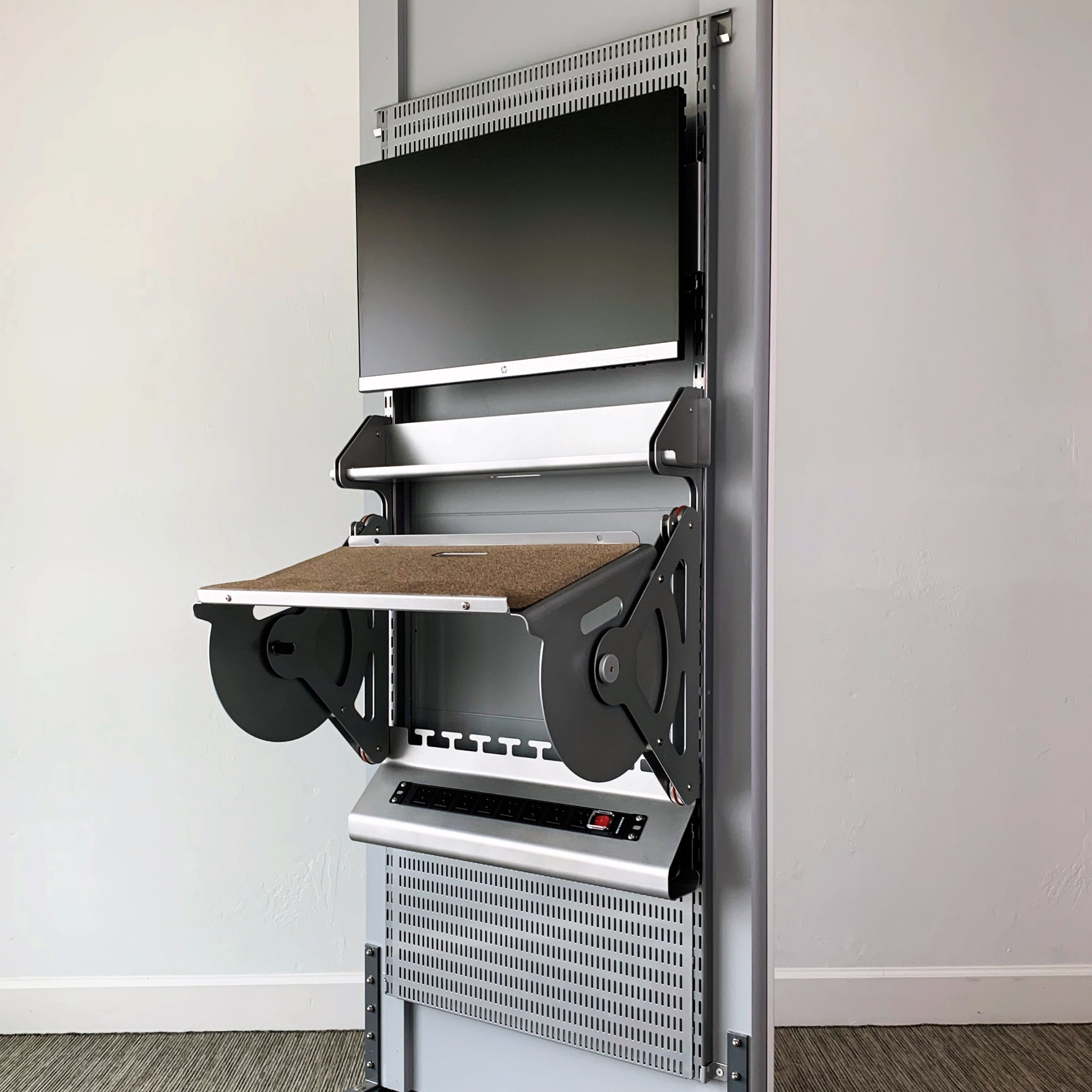
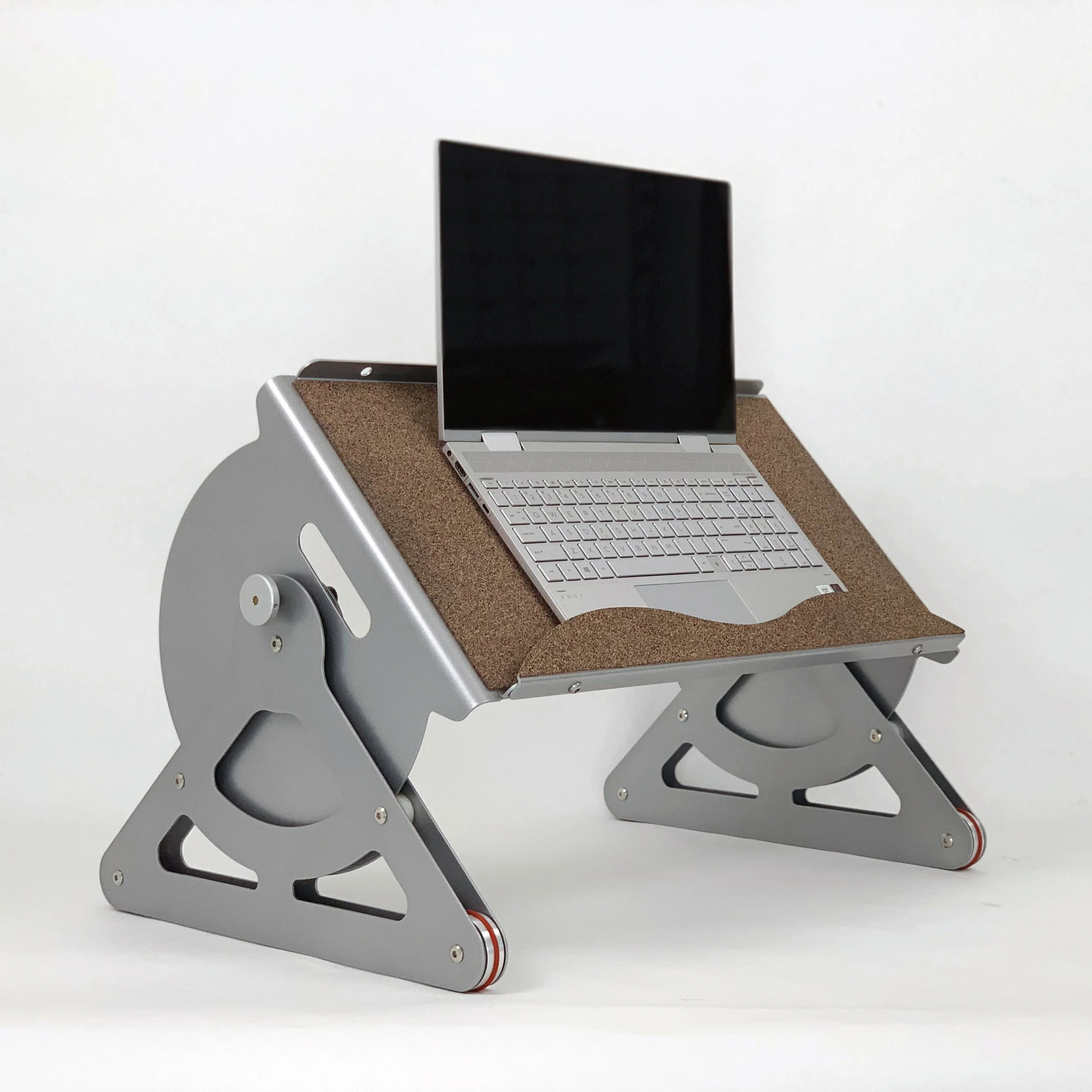
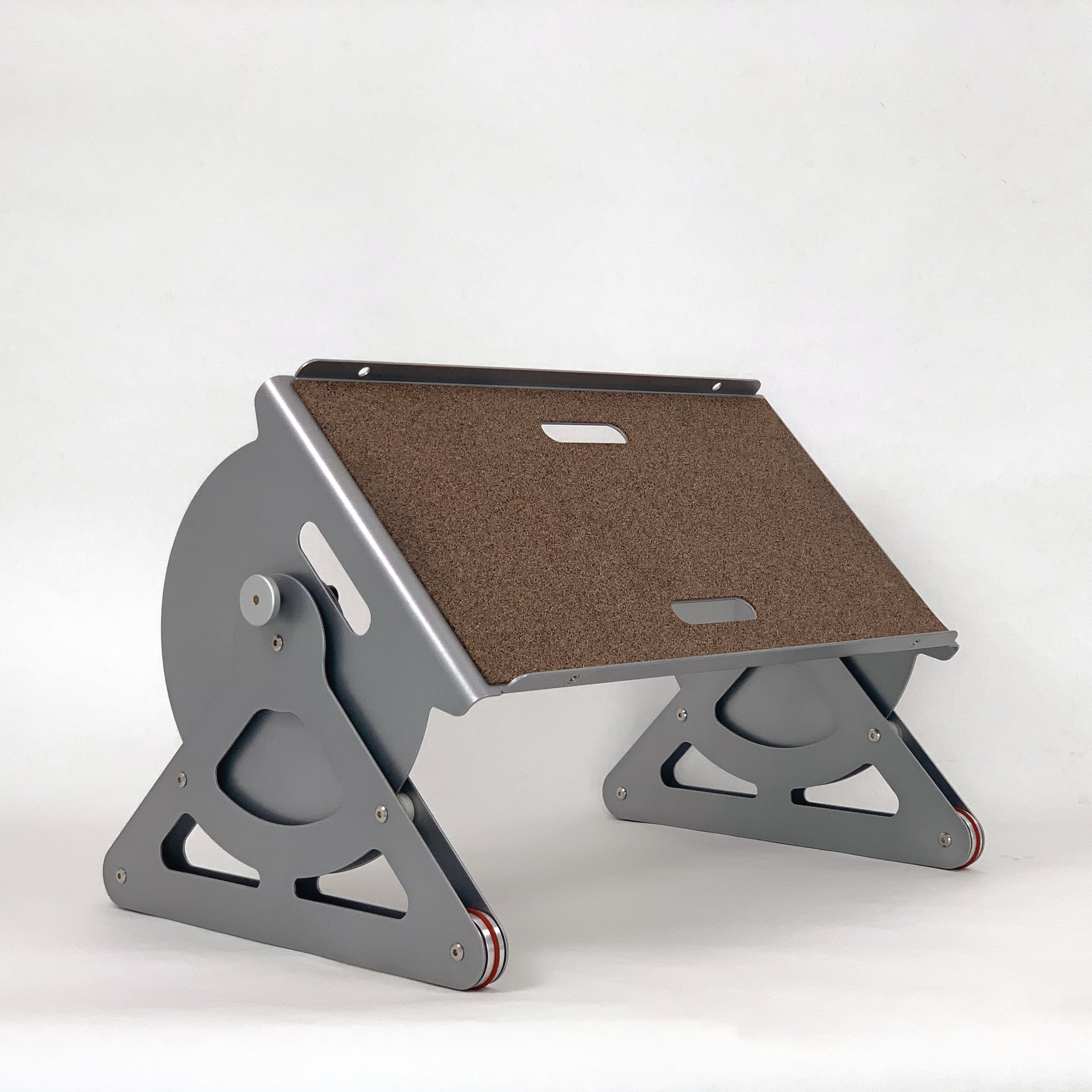
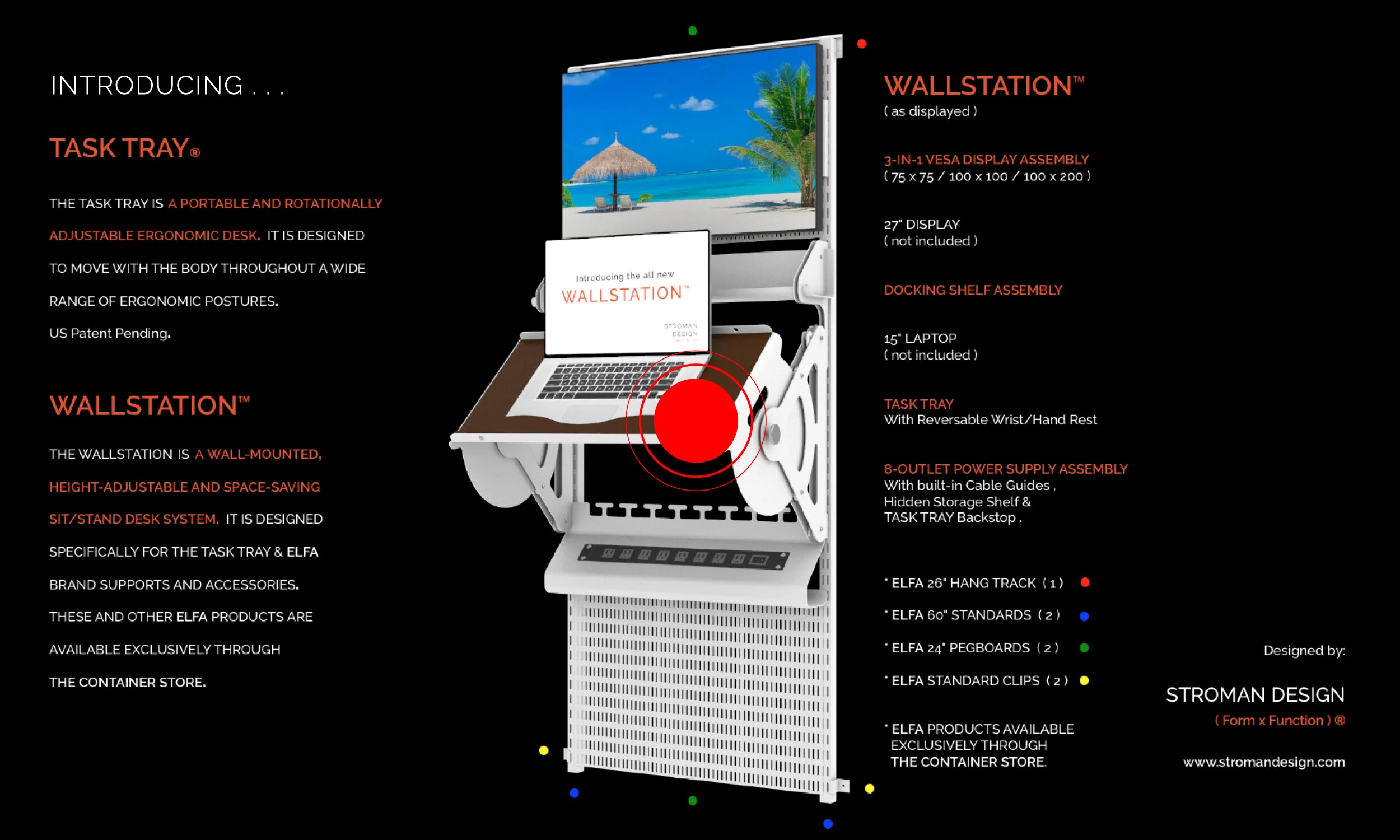
The patented TASK TRAY + WALLSTATION put this body-first philosophy into practice. Together, they create an integrated ergonomic platform designed to bring technology to the user rather than forcing the user to conform to technology.
Compact, portable, rotationally adjustable, height adjustable, wall mountable, power-enabled, and capable of supporting an optional second display, the system gives users greater control over the position of their technology, work surface, and body.
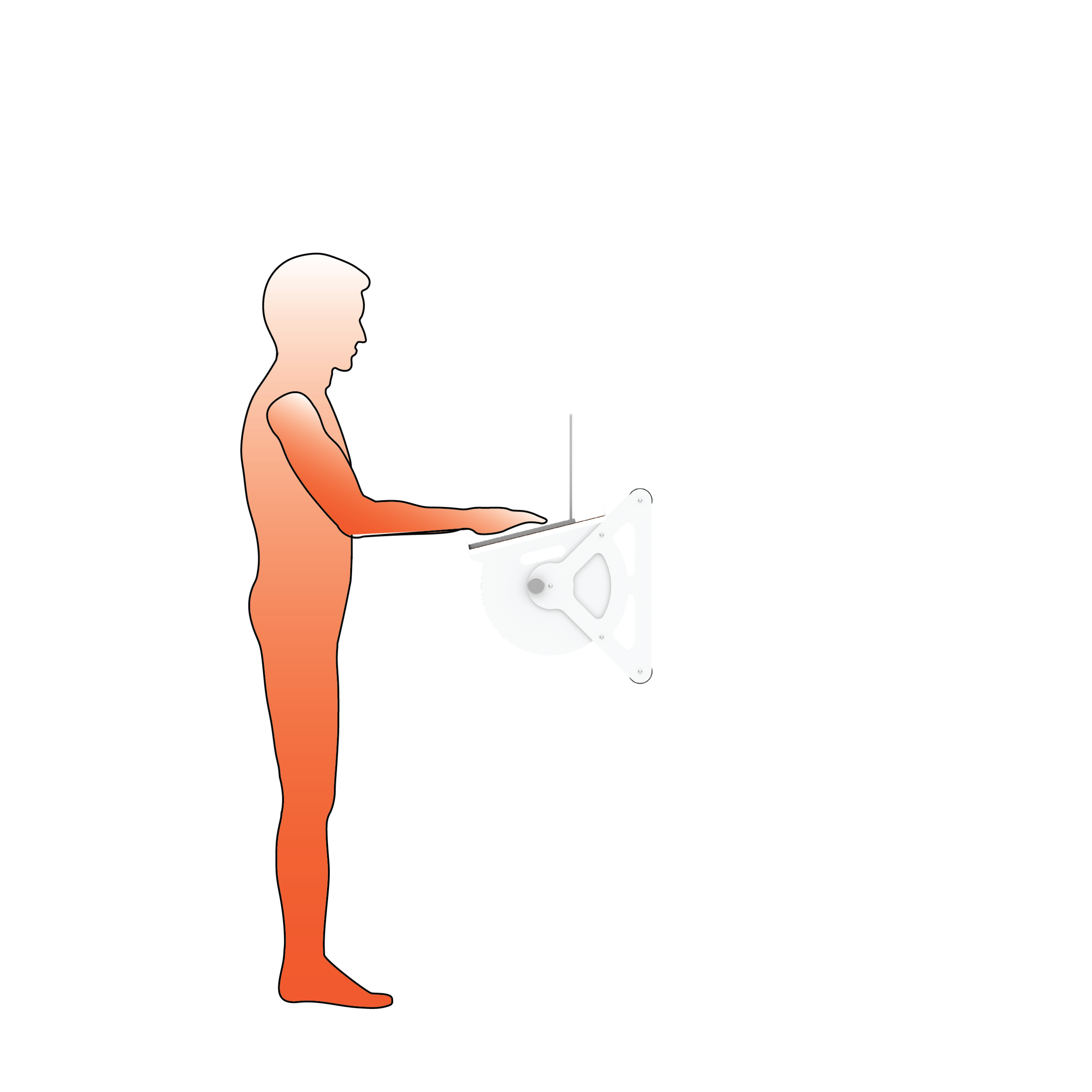
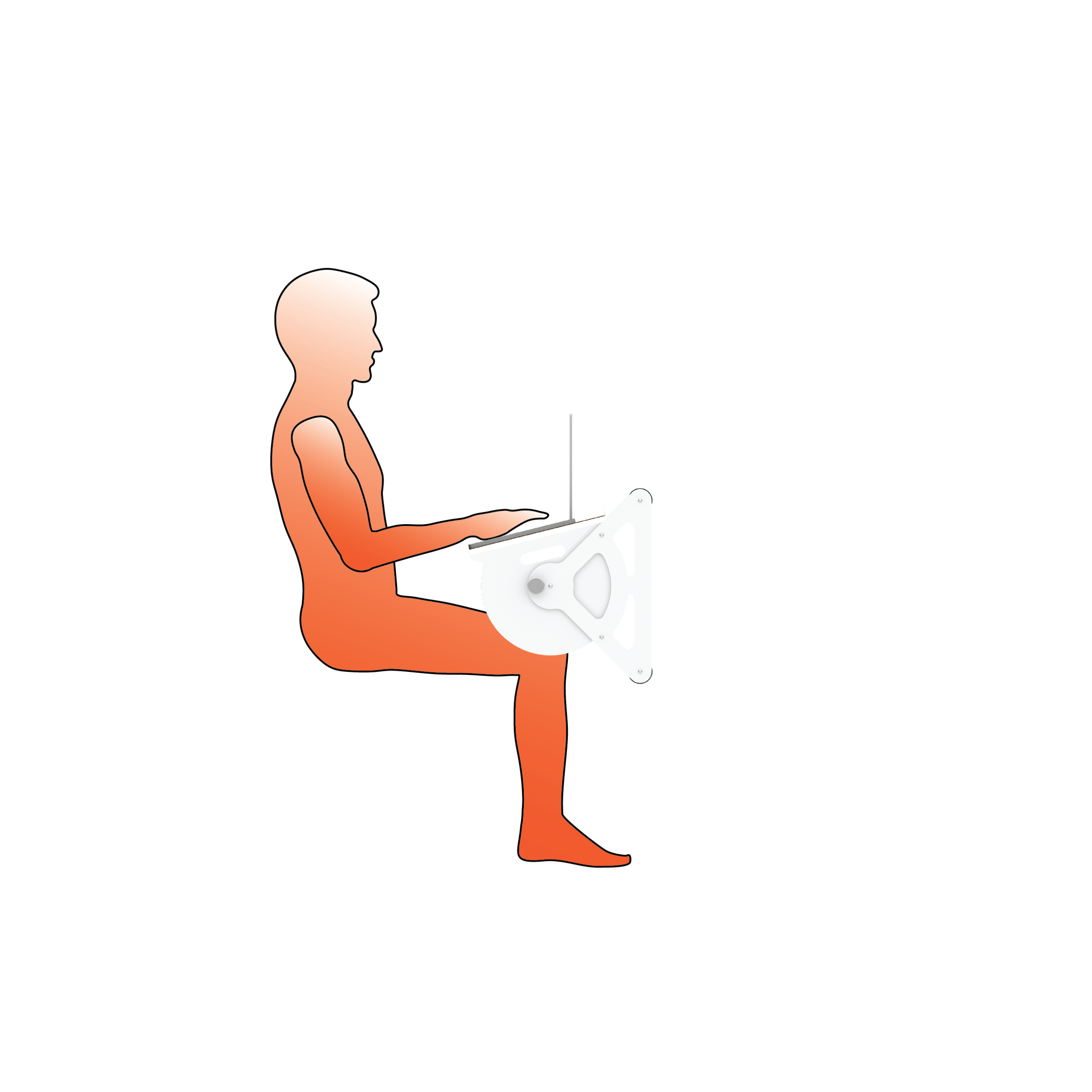
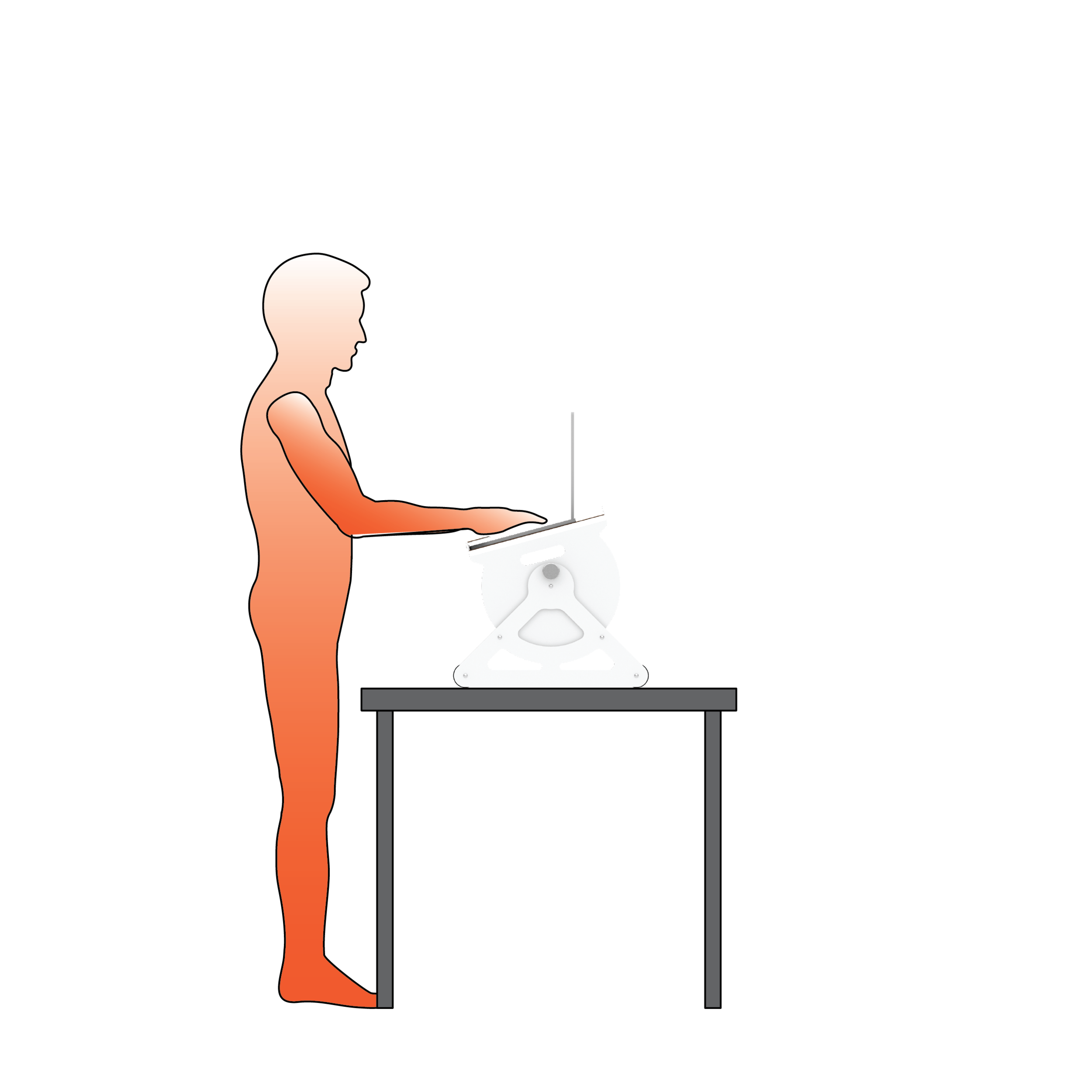
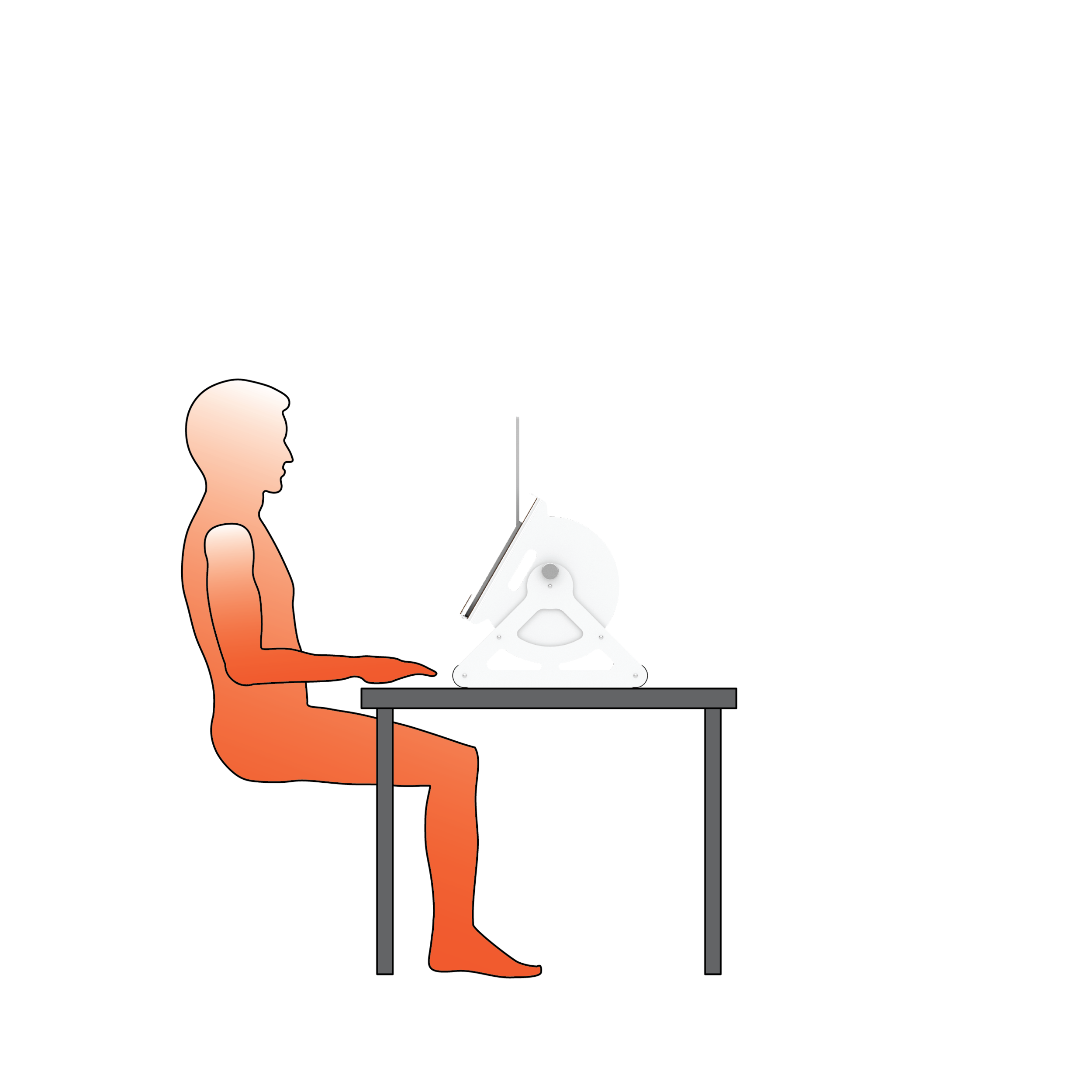
At its core is our patented quick-release, self-locking mechanism, which allows the TASK TRAY work surface to rotate through a wide range of angles and securely lock into position - helping the work surface remain aligned with the user across all sitting, standing, reclining, recumbent, and relaxed postures.
As the user transitions between sitting, standing, reclining, recumbent, and relaxed postures, the work surface can be repositioned to remain aligned with the body.
THE BODY CHOOSES THE POSITION. THE TECHNOLOGY FOLLOWS.
The TASK TRAY can also function independently as a rotationally adjustable display surface to position laptops, tablets, portable devices, or any other reference materials for better ergonomic viewing and/or interaction.
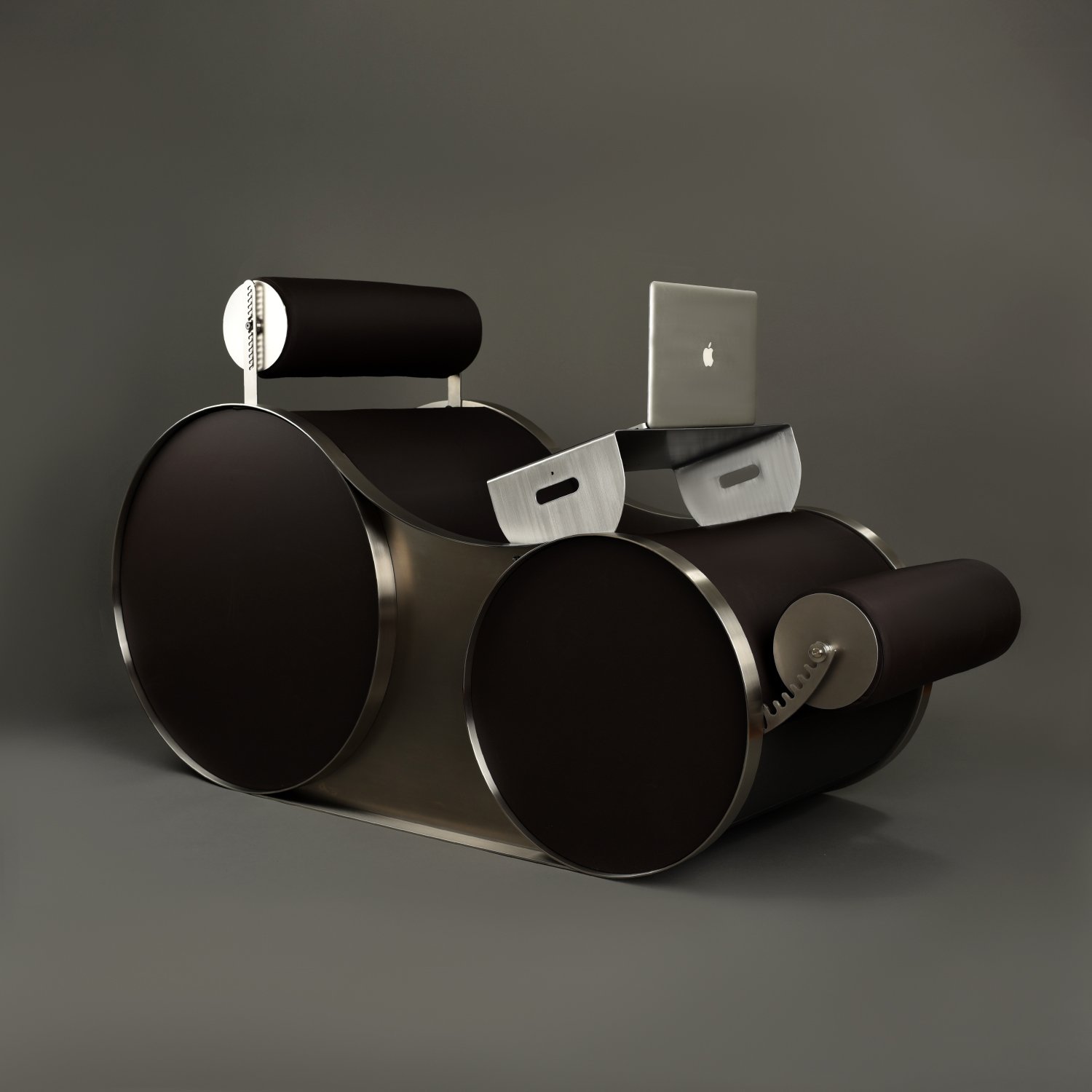
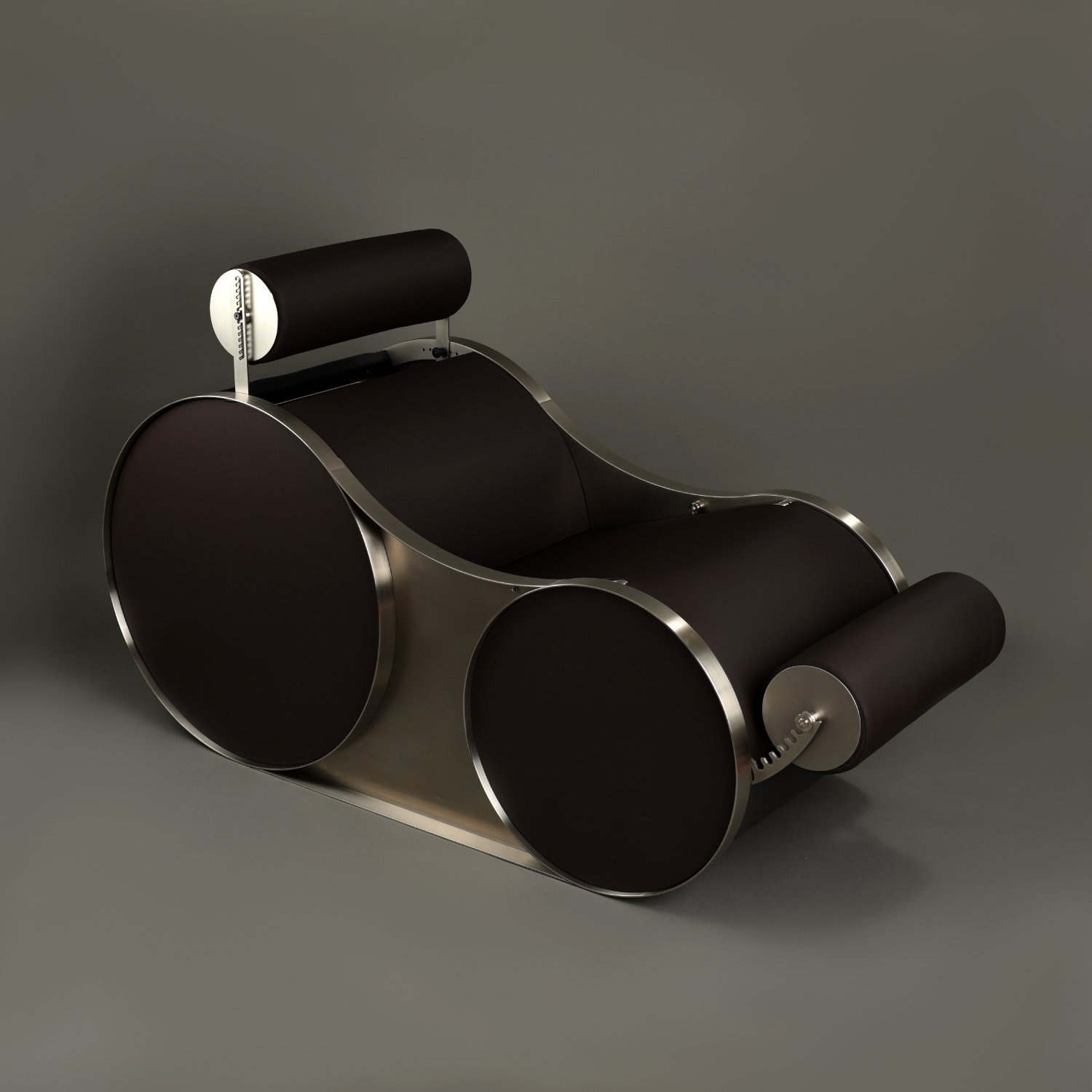
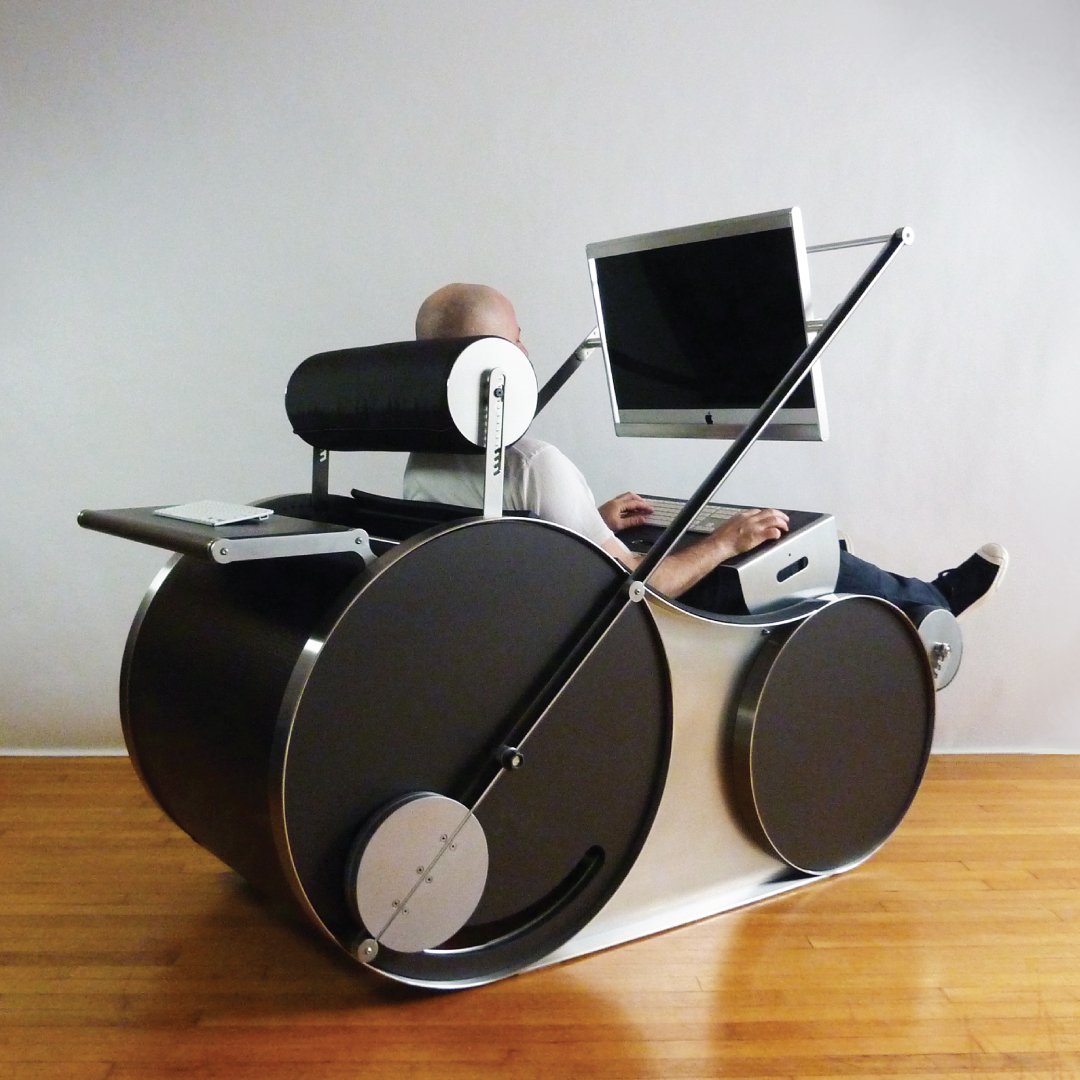
The TASK TRAY + WALLSTATION evolved from the CHOTTO (chair + ottoman), our award-winning recumbent task-seating concept. The CHOTTO challenged the conventional workstation by placing the body in a less compressed, more relaxed posture that requires the computer to adapt ergonomically to the user.
With the addition of the TASK TRAY + WALLSTATION, this philosophy has evolved to include the ergonomic freedom to choose where, when, and how to work along with the widest range of healthier movement-oriented ergonomic solutions.
#keepmoving


move it or lose it.
HOW INTEGRATING MOVEMENT
CAN IMPROVE BOTH YOUR
HEALTH AND YOUR
PRODUCTIVITY :
Reduces Physical Strain: Sedentary postures or prolonged static positions can lead to musculoskeletal discomfort and strain. By integrating movement, good ergonomic design encourages users to shift positions, change postures, and engage different muscle groups, reducing the risk of repetitive stress injuries and promoting better overall physical health.
Enhances Circulation: Movement helps improve blood flow and circulation throughout the body. When users are encouraged to move, it prevents blood from pooling in certain areas and reduces the risk of conditions like deep vein thrombosis and edema.
Improves Flexibility and Range of Motion: Frequent movement supports joint flexibility and increases your range of motion. This is particularly beneficial for individuals who spend extended hours at their workstation, as it prevents stiffness and discomfort from developing..
Boosts Energy and Alertness: Being stationary for prolonged periods can lead to decreased energy levels and reduced mental alertness. Movement, on the other hand, stimulates both the body and mind, helping users stay more focused and productive throughout the day.
Supports Cognitive Function: Studies have shown that movement positively impacts cognitive function and mental acuity. Incorporating motion into ergonomic designs can enhance brain activity, memory retention, and problem-solving abilities.
Promotes Collaboration and Communication: Movement-friendly ergonomic environments can foster collaboration and communication among colleagues. Standing or walking meetings, for example, can lead to more dynamic discussions and increased engagement.
Reduces the Risk of Chronic Health Issues: By encouraging movement, ergonomic design can help combat the negative health effects associated with a sedentary lifestyle, such as obesity, heart disease, and diabetes.
Supports Postural Changes: Ergonomic designs that allow for movement often include adjustable features such as portable and height-adjustable desks, swivel chairs, and tilting monitors. These adaptations cater to various body types and promote proper posture, reducing the strain on the neck, back, and shoulders.
Increases Productivity and Creativity: Movement can stimulate creativity and inspire innovative thinking. Employees in dynamic environments tend to feel more energized and are more likely to come up with fresh ideas and solutions.
Enhances Overall Well-being: The combination of physical comfort, reduced strain, and increased engagement that comes with movement-oriented ergonomic design contributes to a better sense of well-being for users. Happier and healthier employees are likely to be more satisfied with their work environment and experience less absenteeism.
< press play >